Security Awareness Training


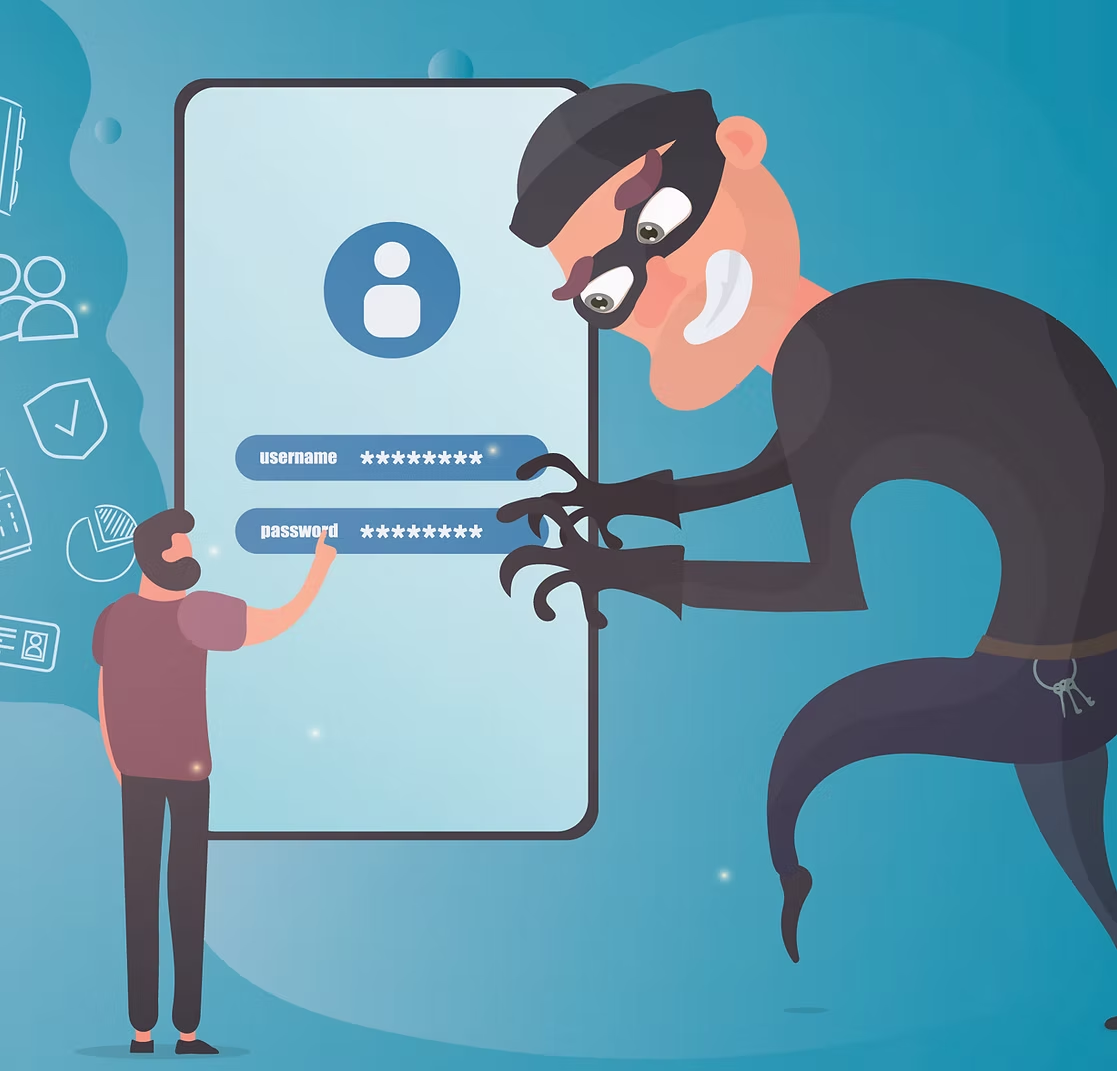
Security awareness training (SAT) plays a pivotal role in reducing an organization's cybersecurity risk. Most cybersecurity incidents are a result of network attacks and human errors stemming from a lack of training. A security awareness training program is a continuous educational activity meant to facilitate training, promote awareness and help employees understand their role in preventing security incidents and data breaches.


However, not every organization has the resources necessary to implement a training program, and some prefer to partner with a cybersecurity company to fully implement and operationalize the program. This is where we come in. Deep Security Service helps organizations build a comprehensive security awareness training program that delivers campaigns, courses, videos,, scenarios, quizzes, annual training, compliance training, and more.



Security Awareness Training

Benefits

The most effective method of preventing security incidents and data breaches is to provide adequate training and resources to employees. Organizations should promote ongoing security training and foster an environment of awareness and transparency. Implementing programs and training strategies that are simple to digest, enjoyable, educational, and applicable in and out of the workplace significantly increases employee engagement.
1
Prevent data breach and reduce business risk
2
Support and educate employees
3
Show commitment and due diligence to stakeholders
4
Help build a positive security culture
5
Help meet regulatory compliance
6
Provide confidence to stakeholders


Main Components

Here are the main components of a security awareness training program. We have experience with multiple platforms and, like everything else, the training platform is not a one-size-fits-all. Understanding the goals of the organization and the expectations of the training plays a key role in implementing a successful SAT program. Although not all training platforms are the same, they do, however, share similar processes and goals.
  • Material
    Fun educational content and materials that include videos, animations, games, quizzes, and represent real-world scenarios. No one wants to read a 20-pager about MFA, not even security folks, so the program has to be persuasive and enticing. Using automation, training material and strategy should be delivered on a scheduled basis. Goals should be defined and tracked using directory service syncing with automated reminders to complete training.
  • Testing
    Now that training has been provided, you can evaluate the effectiveness of the training by simulating a customized phishing attack. Phishing simulations should be automated and scheduled periodically. In an automated manner, the platform should be able to notify trainees that were phished and provide additional training in areas where trainees were most susceptible. The platform or method executing the simulation should be able to track, monitor, collect, and tie activities back to a trainee for reporting and analytics.
  • Reporting
    The reporting and analytic piece of the platform is a key component for senior managers to have. The reporting component aggregates all the training and testing activities together to make sense of progress, the effectiveness of the training program, and areas that need improvement. The reporting aspect can also be used to demonstrate compliance and prove that an organization's security awareness is improving overall or approaching a defined target.


Ready to get started with your

awareness training program?


Ready for help?

We know what you're looking for and we know how to get you there. That's because, from a business perspective, we understand where you need to be. Our team has been working in the smart card industry for 20 years, and our consultants have transitioned from IT technology roles to management roles. Our strong IT and technology background, blended with years of industry experience, make our consultant team one of the best in the industry.
Contact Us